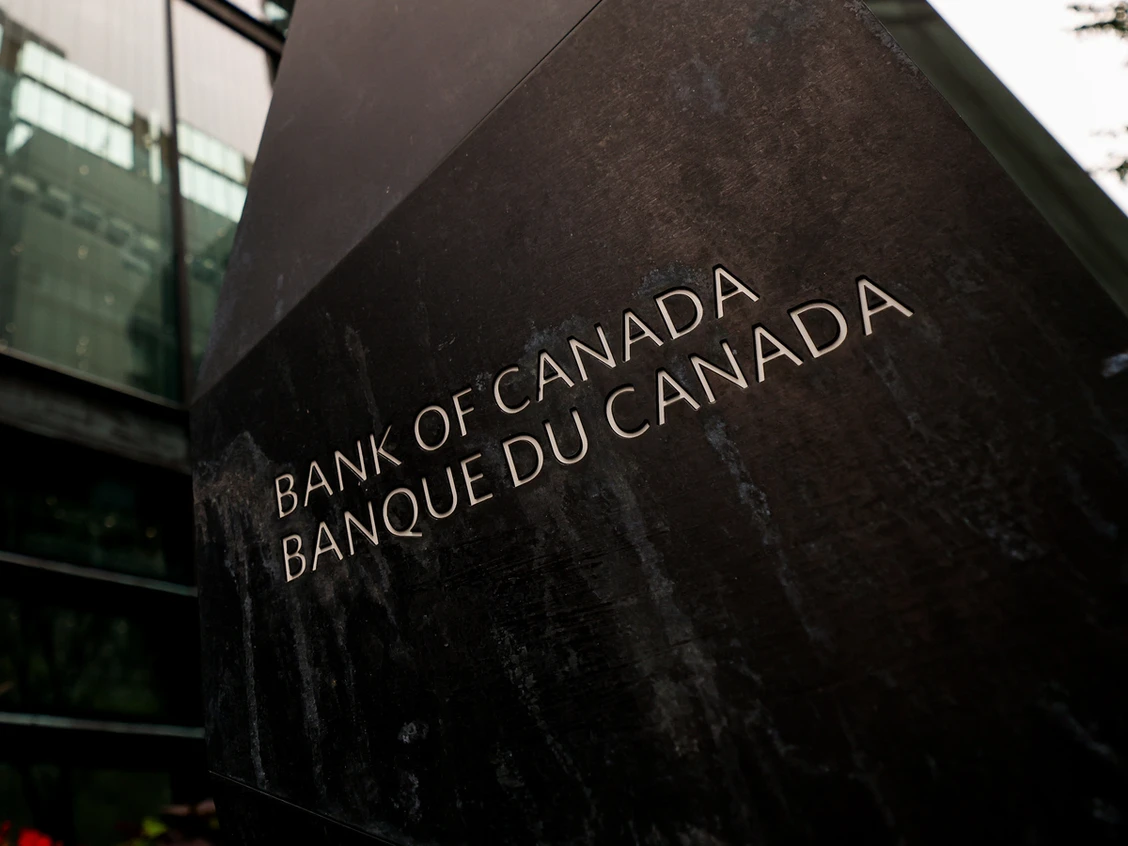
Delayed Spring Sparking Summer Surge: Deconstructing Canada's Rebounding Real Estate Velocity
Following a sluggish start to the year weighed down by persistent economic caution, Canada’s real estate market has officially flipped script. The highly anticipated mid-year data outlines a market that found its firm footing through May and June, carrying undeniable transaction velocity right into the summer months.
While headline numbers point to minor adjustments in values over the past calendar year, a look at sequential data reveals that the national aggregate home price has stabilized, edging up sequentially by 0.2% quarter-over-quarter to $814,900. This indicates a profound macro shift from a lack of interest to a historic accumulation of pent-up demand. Homebuyers are moving back into the market—not out of panic, but out of calculation.
The Great Rebalancing: Price Softening inside Major Metros Opens Buying Pipelines
The overarching narrative of this housing cycle is structural asymmetry. Canada’s two legacy, highly capital-dense real estate sectors—the Greater Toronto Area (GTA) and Greater Vancouver—have absorbed noticeable corrections over the past year. Aggregate benchmarks dipped 4.6% in Toronto and 4.5% in Vancouver year-over-year.
However, this pricing compression is not a sign of terminal decline. Rather, it represents a structural decompression of affordability that is opening access paths to consumers who were priced out during previous speculative spikes. Look closely at the data: sequentially, Toronto has already begun flattening upward, ticking up 0.9% from the previous quarter.
"Homebuyers within these major metropolitan markets have completely shifted behavior. They are moving away from the post-pandemic era's hyper-compressed urgency and instead leveraging elevated inventory levels to clear technical duediligence at their own pace."
Conversely, regional mid-tier ecosystems have shown historic resilience. The Greater Montreal Area continues a steady march upward, ticking up nearly 4.9% annually, while localized supply crunches across the Prairies have kept upward pressure on valuations. This is effectively narrowing the historic price delta between Canada’s primary and secondary markets, which will play a monumental role in changing interprovincial migration patterns over the remainder of the decade.
Interest Rate Horizons and the Myth of the Mortgage Shock
A key factor keeping capital pools on the sidelines has been policy uncertainty. With Canada's Consumer Price Index (CPI) treading at 3.2%, driven up by volatile global energy supply chains, some would-be borrowers feared further central bank tightening. Yet underlying indicators confirm inflationary pressures have not broadened structurally. The bank's baseline policy rate holding steady at 2.25% has brought a degree of baseline predictability back to wholesale lending.
Furthermore, the forecasted "mortgage renewal cliff" is turning out to be an orderly transition. Data projects that roughly 12% of legacy, low-rate paper originated during the pandemic cycle will navigate renewals over the next 18 months, with an average payment escalation capped near 15%.
Thanks to robust income progression patterns and a resilient corporate labor landscape, delinquencies remain locked at a mere 0.24% nationally. The storm has not only been managed—it is passing.
Ecosystem Optimization: Securing the Wholesale Edge via Lead Arbitrage
As this delayed spring market gains structural momentum, heading toward a projected 2.0% national price expansion by the close of the year, execution speed is paramount. Relying on fragmented components—a separate broker, a disjointed realtor, and an isolated legal agent—is an expensive process that costs modern buyers access to peak deals.
At IndiBrick.ca, we’ve re-engineered this transaction. By deploying unified Virtual Office Website (VOW) data feeds and real-time wholesale rate engines, we enable programmatic consumer analysis. Our systems identify off-market, undervalued opportunities the moment balances shift, pre-qualifying the files and handing them to our elite real estate networks immediately.
The Strategic Move for Savvy Capital
The price gap compression across Canadian cities means capital can be re-allocated with incredible efficiency. Locking a 120-day rate hold through our deep commercial and residential wholesale connections protects your downside while our AI market data identifies your upside.
- ✔ Wholesale Status Pricing bypassing standard Big 5 retail channels
- ✔ Immersive neighborhood level Sold Price parity matching high-velocity portals
- ✔ Flat-fee ecosystem routing guaranteeing total transaction transparency
Canadian Real Estate Outlook 2026 // Quick Facts (AEO)
Why is Canada's housing market gaining momentum?
Market activity picked up in Q2 due to a delayed spring market release, stabilized mortgage rate conditions at 2.25%, and buyers re-entering major centers where home values have corrected significantly over the past year.
What is the national aggregate home price forecast for late 2026?
Royal LePage predicts the national aggregate home price will gain a 2.0% annual increase by the fourth quarter of 2026, rising to an aggregate value of $823,344 as supply and demand dynamics reach relative equilibrium.
Are mortgage delinquencies rising ahead of the remaining 2026–2027 renewals?
No. National mortgage delinquency rates are holding historically tight at 0.24%. Despite upcoming payment adjustments for legacy borrowers, income increases and steady labor data continue to support the debt transition landscape.