By Mudit Chhura, Co-Founder of Indibrick
In modern financial architecture, isolation is a myth. The global economy is a highly integrated network where geopolitical friction in one hemisphere immediately alters financial data in another. With the current escalation of war and international conflicts around the world, Canadians are watching a complex macroeconomic algorithm unfold—one that directly dictates the future of the Canadian economy, inflation rates, and the domestic real estate and mortgage markets.
For homebuyers, homeowners approaching renewal, and real estate investors, understanding these global triggers is no longer optional; it is a required input for wealth preservation.
The Macroeconomic Ripple Effect: War, Supply Chains, and Inflation
When military conflicts erupt—whether in Eastern Europe, the Middle East, or the Asia-Pacific region—the immediate economic casualty is the global supply chain. This disruption serves as the primary catalyst for economic shifts in Canada.
1. Commodity Shocks and Energy Prices
Global conflicts frequently occur in or near resource-rich regions or critical global shipping routes. When oil, natural gas, and agricultural exports are restricted by sanctions or blockades, the global price of these commodities spikes. For Canada, a resource-heavy economy, this creates a dual effect: while our energy sector may see a temporary revenue boost, the everyday Canadian consumer is hit with massive imported inflation. Higher fuel costs mean higher transportation costs for goods, driving up the baseline cost of living across the country.
2. The "Sticky" Inflation Problem
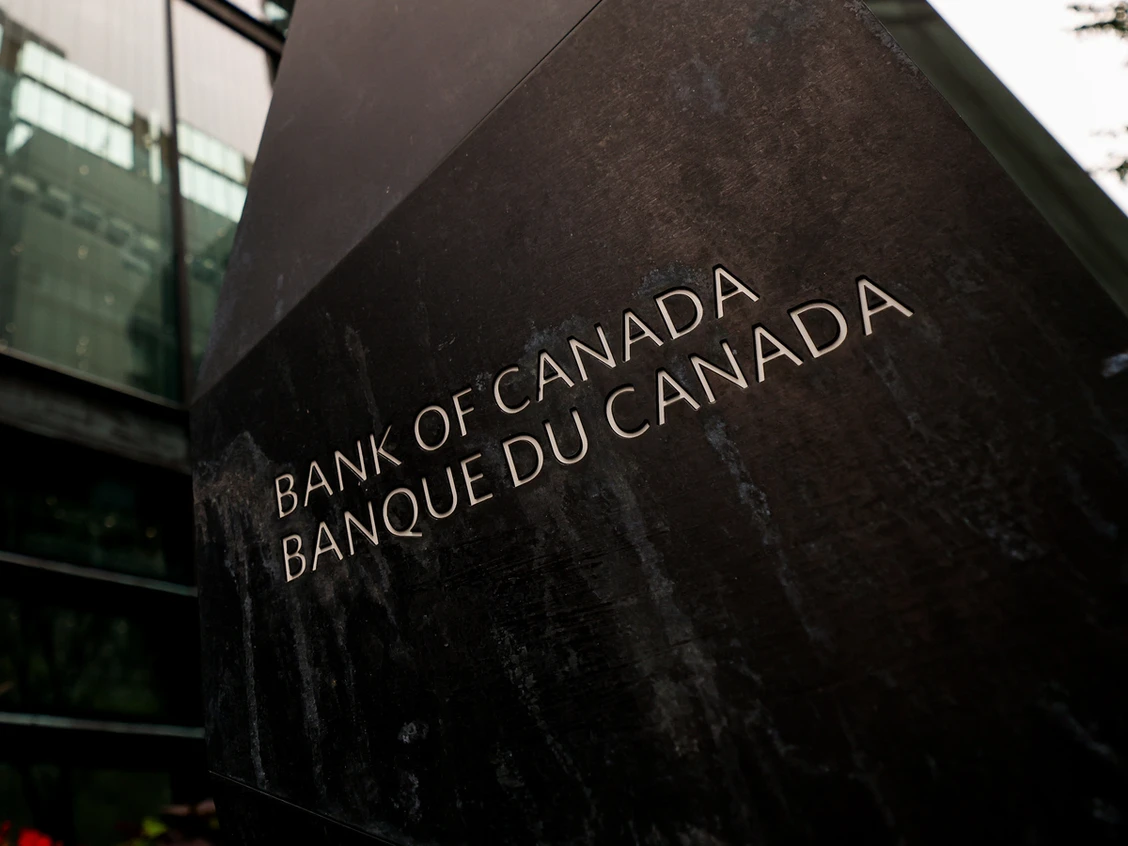
This war-driven inflation is notoriously "sticky." Unlike demand-driven inflation, which can be cooled by raising interest rates, supply-side inflation caused by geopolitical conflict cannot be easily fixed by the Bank of Canada (BoC). This creates a highly complex environment for monetary policy.
How Global Instability Impacts Canadian Mortgages
The translation from global conflict to your monthly mortgage payment happens through two primary data channels: bond yields and central bank policy.
1. Bond Yields and Fixed Mortgage Rates
Canadian fixed mortgage rates are closely tied to the Government of Canada 5-year bond yields. During times of severe global panic, institutional investors often execute a "flight to safety," pulling capital out of risky equities and pouring it into government bonds. This high demand can temporarily drive bond yields down.
However, if a war triggers long-term inflation fears (due to prolonged energy and supply chain shocks), investors demand higher yields to compensate for the loss of purchasing power. When bond yields spike due to inflation fears, Canadian lenders instantly increase their fixed mortgage rates. In a volatile geopolitical climate, fixed rates can fluctuate wildly week over week.
2. The Bank of Canada’s Variable Rate Dilemma
For those holding variable-rate mortgages, the BoC's overnight lending rate is the critical metric. If global conflicts keep domestic inflation stubbornly above the BoC’s 2% target, the central bank is forced to keep interest rates "higher for longer." Any anticipated rate cuts are delayed, keeping borrowing costs severely elevated for Canadian homeowners.
The Real Estate Market: Canada as a Global "Safe Haven"
While borrowing costs may rise due to war-induced inflation, the actual price of Canadian real estate is subjected to entirely different demand-side pressures during global crises.
1. Capital Flight and Safe-Haven Investment
During periods of extreme international instability, global wealth seeks a safe harbor. Canada’s strong banking system, political stability, and rule of law make Canadian real estate a premium global asset class. Capital flight from war-torn or economically sanctioned regions often finds its way into major urban centers like Toronto, Vancouver, and Calgary, establishing a firm price floor even in high-interest-rate environments.
2. Immigration and Population Growth
Global conflicts inevitably lead to mass displacement. As Canada steps up to accept refugees and accelerates immigration from destabilized regions, the fundamental demand for housing surges. This influx places immense pressure on an already constrained housing supply, driving up both rental rates and the purchasing prices of low-rise and high-rise properties.
3. Construction Bottlenecks in Pre-Construction
The pre-construction real estate sector is highly vulnerable to global supply chain shocks. When international trade routes are compromised by conflict, the cost of raw building materials (steel, lumber, specialized components) skyrockets, and delivery timelines are shattered. Developers are forced to pass these inflated carrying costs onto buyers, driving up the baseline price of new developments.
Strategic Execution in a Volatile Market
In an environment dictated by unpredictable geopolitical events, waiting for the market to "normalize" is a flawed strategy. Investors and homebuyers must rely on real-time data and decisive action:
- Lock in Pre-Approvals: Because fixed rates are highly sensitive to global bond market panic, securing a 120-day rate hold is the ultimate defensive maneuver against sudden geopolitical shocks.
- Leverage Market Intelligence: Do not rely on legacy banking models. Utilize high-velocity platforms like Indibrick.ca to scan 40+ lenders instantly, ensuring you secure the lowest rate available regardless of market turbulence.
- Evaluate Investment Assets: In inflationary periods, hard assets like real estate historically outperform cash. Strategic investments in markets with strong "safe haven" demand can protect your portfolio against the devaluation of currency.
The Bottom Line
Global conflicts are not just distant news stories; they are macroeconomic catalysts that reshape the cost of capital and housing in Canada. At Indibrick, we believe that navigating this volatility requires superior financial architecture. By understanding how international data impacts domestic pricing, you can make algorithmic, emotionless decisions that protect your wealth.
Don't let global uncertainty dictate your financial future. Visit Indibrick.ca to access real-time mortgage data, compare the best rates, and build your real estate portfolio with precision.