By Mudit Chhura, Co-Founder of Indibrick
The global economic landscape is shifting rapidly, and what happens at the US-Mexico border doesn’t stay there. With escalating trade tensions, potential tariff implementations, and major supply chain restructuring dominating headlines, the situation in Mexico is sending shockwaves throughout the North American economy. For Canadians, this isn't just international news—it is a macroeconomic event that directly affects the Canadian economy, inflation rates, real estate markets, and mortgage pricing.

The Macroeconomic Ripple Effect on the Canadian Economy
Mexico and Canada are inextricably linked through the USMCA (United States-Mexico-Canada Agreement). When trade friction increases between the US and Mexico—whether through threatened tariffs, border delays, or political standoffs—the integrated North American supply chain suffers.
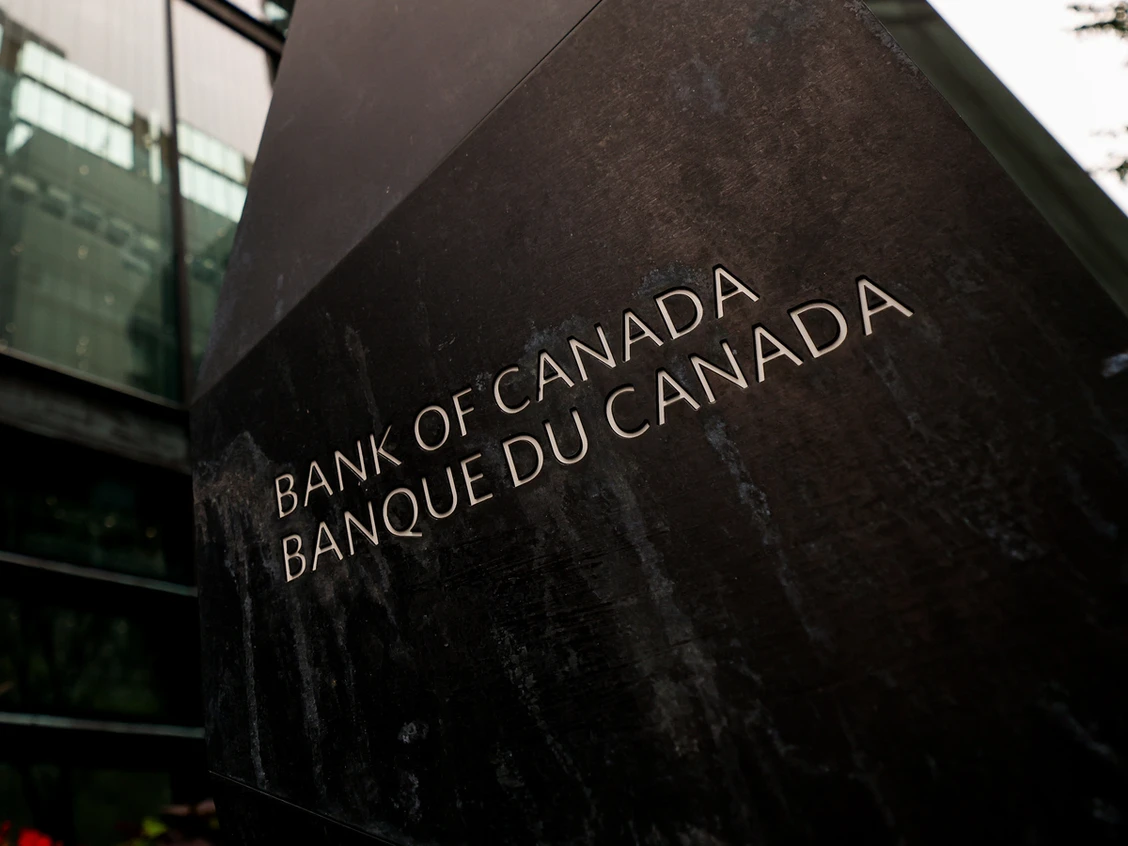
For Canada, a disruption in Mexican manufacturing and agricultural exports means one primary thing: Imported Inflation. Canada relies heavily on Mexico for automotive parts, machinery, and fresh produce. If the cost of moving these goods increases, or if supply bottlenecks occur, Canadian consumers will see higher prices at the grocery store and the dealership. This imported inflation complicates the Bank of Canada's (BoC) monetary policy, forcing them to remain cautious about lowering interest rates.
How the Mexico Crisis Impacts Canadian Real Estate
You might wonder how trade issues thousands of kilometers away affect housing prices in Toronto, Vancouver, or Calgary. The connection lies in construction supply chains and labour dynamics.
1. Spikes in Construction and Material Costs
The Canadian real estate market, particularly the pre-construction condo and housing sectors, relies on imported raw materials and finished goods. Disruptions in the Mexican manufacturing sector can lead to shortages in everything from electrical components and HVAC systems to certain building materials. When builders face supply shortages, construction costs skyrocket. These costs are inevitably passed down to the buyer, driving up the baseline prices of new homes in Ontario and across Canada.
2. The "Nearshoring" Advantage for Canadian Commercial Real Estate
Conversely, there is a silver lining for commercial real estate. As US and global companies seek to minimize risk associated with Mexican trade disputes, Canada is increasingly viewed as a stable alternative for nearshoring and manufacturing. This could drive up demand for industrial and commercial real estate in key logistics hubs like the Greater Toronto Area (GTA), Southwestern Ontario, and Alberta, potentially boosting local employment and, by extension, residential housing demand.
The Direct Hit to Mortgages and the Bank of Canada
For current homeowners and prospective buyers navigating the Canadian mortgage market, the situation in Mexico is a critical variable to watch. Here is how it impacts your bottom line:
- Persistent Inflation Halts Rate Cuts: If border tariffs and supply chain issues keep Canadian inflation elevated above the BoC’s 2% target, the central bank will delay further cuts to the overnight lending rate.
- Variable Rate Mortgages: Homeowners with variable-rate mortgages or those nearing a mortgage renewal will feel the squeeze if anticipated rate relief is postponed due to sticky inflation driven by North American trade instability.
- Fixed Mortgage Rates and Bond Yields: Fixed mortgage rates are tied to the Government of Canada bond yields. Geopolitical uncertainty often leads to volatility in bond markets. If investors demand higher yields due to North American economic instability, fixed mortgage rates from top Canadian lenders will rise.
Strategic Advice for Canadian Homebuyers and Investors
In a climate of macroeconomic uncertainty, waiting on the sidelines can be costly. Here is how you can protect your wealth and make informed decisions:
- Lock in Pre-Approvals: With bond yields susceptible to sudden spikes based on international trade news, securing a rate hold for 120 days is essential. This protects you from sudden hikes in fixed rates while you shop for a home.
- Leverage Market Intelligence: Don't rely on a single bank. Utilize high-velocity comparison platforms like Indibrick.ca to scan 40+ lenders in 90 seconds. Finding the lowest rate is your best defense against macroeconomic inflation.
- Stress-Test Your Renewals: If your mortgage is up for renewal in the next 12 to 18 months, start planning now. Evaluate the costs of breaking your term early versus waiting to see how the North American trade dynamics settle.
The Bottom Line
The economic turbulence in Mexico is a stark reminder of how interconnected the global economy is. From the price of groceries to the interest rate on your mortgage, trade disputes echo far beyond the border. At Indibrick, we believe that transparency and technology are the keys to navigating these uncertain waters. By understanding the macroeconomic data, you can make real estate and financing decisions that secure your financial future, regardless of global volatility.
Ready to navigate the changing market? Visit Indibrick.ca today to compare live mortgage rates, explore pre-construction opportunities, and build your real estate wealth with confidence.