US Escalates Canada Trade War With New Bans and Tariffs: What It Means for GTA Buyers and Self-Employed Borrowers
IndiBrick Editorial
IndiBrick Financial
By Mudit Chhura | Co-Founder, IndiBrick | Read Time: 8 Mins
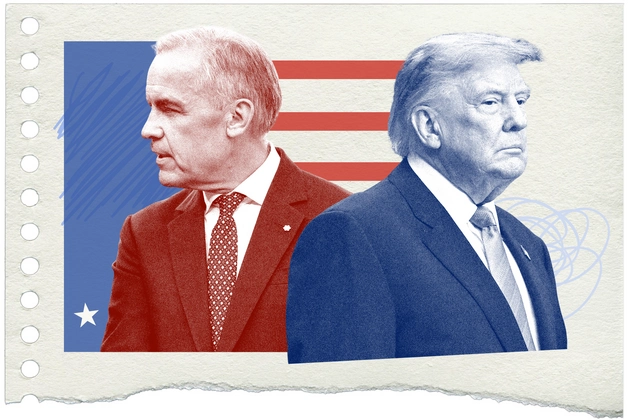
The US-Canada trade war just moved from a rate story into a household-name story. On September 9, 2026, the Trump administration signed five proclamations banning a range of Canadian goods, including alcohol, dairy products, motorcycles, and select motor vehicles and auto parts, while extending its 50 percent tariff to additional categories such as specialty cheeses, boats, furniture, all-terrain vehicles, and animal hides. The move came the same day Canada's own retaliatory tariffs, covering roughly 28 billion Canadian dollars in US goods, took effect at midnight.
This is now an 18 month long dispute with no clear resolution in sight, and it is starting to touch nearly every part of the Canadian economy, including sectors that matter directly to homeowners, buyers, and self-employed business owners across the GTA, Brampton, and Niagara.
What Actually Happened This Week
The new US measures represent one of the sharpest escalations since the dispute began in early 2025. Here is the sequence that led to this point.
| Timeline | Development |
|---|---|
| July 2026 | Trade talks collapse; US imposes 50% tariffs on $20 billion of Canadian goods, including raw agricultural materials, chemicals, textiles, and consumer goods |
| August 19, 2026 | Additional US tariffs briefly delayed after Canada makes new commitments to address disputed issues |
| August 21, 2026 | US says Canada backs away from the agreement; negotiations stop |
| September 9, 2026 | Canada's retaliatory tariffs on roughly $28 billion CAD of US goods take effect; US responds same day with new import bans and expanded tariffs |
| September 29, 2026 | New US import bans and modified tariff scope officially take effect |
Which Sectors Are Directly Affected
- Alcohol, dairy products, and motorcycles are now banned outright from entering the United States
- Select Canadian motor vehicles and auto parts have been excluded from the US market, with Washington citing Canada's tariff and quota system as disadvantaging American manufacturers
- Specialty cheeses, boats, furniture, all-terrain vehicles, and animal hides have been added to the 50% tariff list, while rock salt and cement were removed
- Canada's countermeasures target more than 700 US goods, including steel, dairy, farm equipment, electronics, pulp, and paper
Tariff headlines feel abstract until they show up in someone's paycheck or someone's mortgage renewal. This dispute has now reached both.
Why This Matters for Mortgage Rates, Not Just Trade
This escalation lands only a week after the Bank of Canada held its policy rate at 2.25 percent for a seventh consecutive decision, citing trade tensions and tariff-driven inflation risk as key reasons for its cautious stance. A deeper trade war does not make that calculation easier. Continued tariff escalation raises the odds that inflation stays elevated longer, which reduces, rather than increases, the likelihood of a rate cut anytime soon.
Economists have already flagged risks to Canadian economic growth from further escalation, along with rising costs for small and medium-sized businesses tied to tariff exposure, compliance, and ongoing uncertainty. Some analysts are also watching whether this dispute could destabilize the broader trade agreement that has underpinned North American commerce for decades.
Uncertain About Timing Your Next Move?
See your real affordability today, so market and rate uncertainty do not have to slow down your decision.
Check Your AffordabilityWhy Brampton and the GTA Should Pay Close Attention
The exclusion of Canadian motor vehicles and auto parts from the US market lands directly on an already fragile local sector. Brampton's idled Stellantis assembly plant has been sitting without a clear path forward for months, and new US restrictions on Canadian-made vehicles add further pressure to an industry already dealing with tariff-driven production pauses.
- Auto sector workers and suppliers, many of whom are self-employed contractors or small incorporated businesses, may see income volatility tied directly to trade policy shifts
- Small and medium-sized businesses across trade-exposed sectors face rising tariff, compliance, and uncertainty-related costs, according to trade law experts tracking the dispute
- Buyers and renewers across affected sectors should expect continued rate volatility rather than a quick return to lower borrowing costs
What Self-Employed and Business-Owner Borrowers Should Do
- Keep income documentation current, especially if your business touches trade-exposed sectors like auto, agriculture, dairy, or manufacturing
- Get preapproved and secure a rate hold now rather than waiting for a rate environment that may not improve on your timeline
- Work with a broker who understands income assessed through bank statements and business documentation, not just T4 income, since trade-driven income volatility does not fit a rigid payroll model
Frequently Asked Questions
What products has the US banned from Canada?
As of September 2026, the United States has banned imports of Canadian alcohol, dairy products, motorcycles, and select motor vehicles and auto parts, with the new restrictions set to take effect September 29, 2026.
How has Canada responded to the new US tariffs?
Canada implemented retaliatory tariffs on roughly 28 billion Canadian dollars of US goods, targeting more than 700 products including steel, dairy, farm equipment, electronics, pulp, and paper.
Will the trade war affect Canadian mortgage rates?
Trade tensions and tariffs have already been cited by the Bank of Canada as a factor behind its cautious approach to interest rates. Continued escalation increases the risk that inflation remains elevated, which reduces the likelihood of near-term rate cuts.
How does this affect Brampton's auto sector specifically?
New US restrictions on Canadian motor vehicles and auto parts add further pressure to a sector already affected by tariff-related production pauses, including at Brampton's currently idled Stellantis assembly plant.
The Bottom Line
This is no longer a slow-moving trade dispute confined to steel and lumber headlines. It now touches dairy aisles, auto plants, and household mortgage decisions all at once. Whatever happens next in Washington and Ottawa, the safest approach for GTA buyers, renewers, and self-employed borrowers is the same one that has applied through every stage of this dispute, know your real numbers now, rather than waiting for a level of certainty that trade wars rarely provide on a convenient timeline.
Don't Let Trade Uncertainty Stall Your Plans
Get a clear, personalized picture of your financing options today.
Book a Free Strategy Call Try the CalculatorMortgage Payment Scenarios
Model your monthly payments at different rates.
1. Purchase Details
2. Mortgage Details
3. Property & Closing
Your Monthly Payment
$3,251
Monthly Breakdown (Est)
Stress Test Qualification
To qualify for this mortgage at the 6.29% stress test benchmark, you will need an approximate household income of $140,358 / year.
About the author
IndiBrick Editorial
IndiBrick Editorial Team
Written and fact-checked by the IndiBrick editorial team. Mortgages are brokered through Pineapple Financial Inc. (FSRA #12830).
Related analysis


Ready to act?
Turn this insight into a funded deal.
Book Call