Canada Wants More Homes, But Its Water and Sewer Systems Aren't Ready: What It Means for Buyers and Developers
IndiBrick Editorial
IndiBrick Financial
By Mudit Chhura | Co-Founder, IndiBrick | Read Time: 8 Mins
Canada wants more homes built, faster. Federal and provincial governments have spent the last two years pushing municipalities to speed up approvals and hit ambitious housing targets. But a growing number of economists, developers, and municipal leaders are pointing to a problem sitting quite literally underground, and it has nothing to do with zoning or approval timelines.
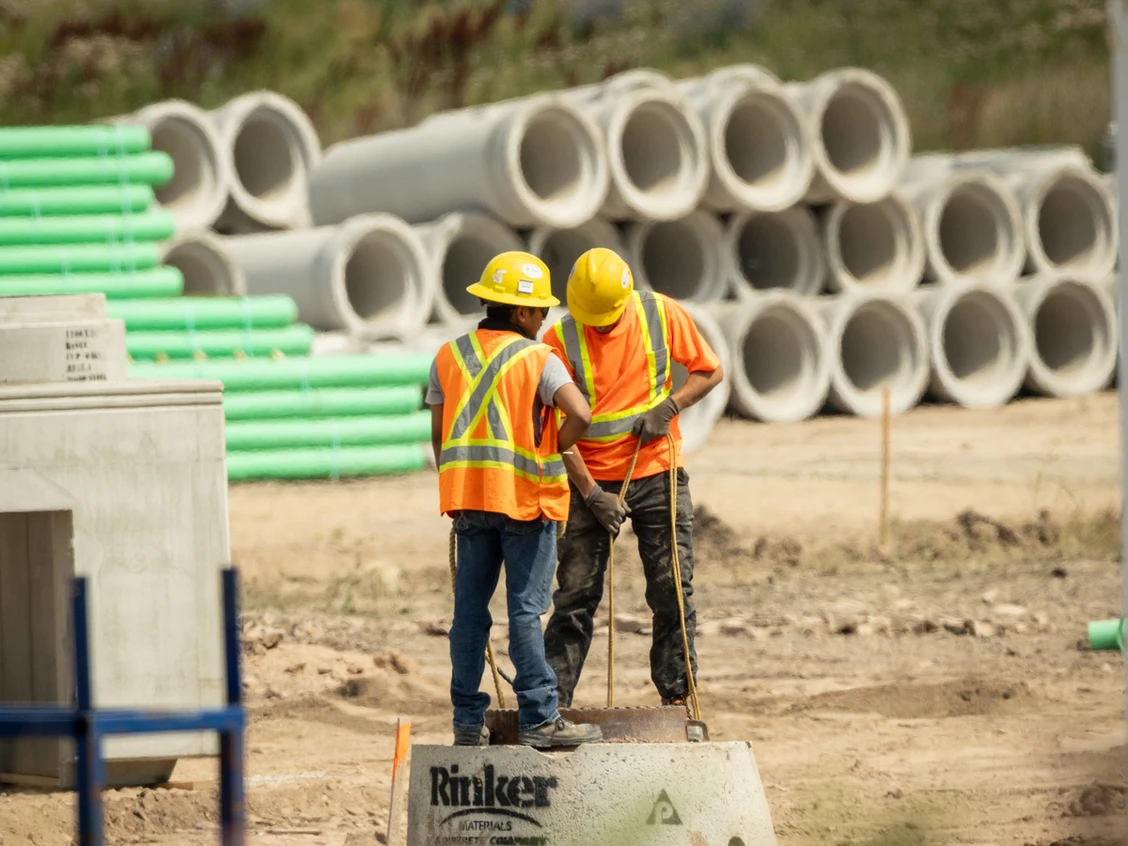
Water and wastewater infrastructure across Canada is increasingly unable to keep up with growth. In several regions, including parts of the Greater Toronto Area, that gap is already delaying, phasing, or outright stalling housing developments, regardless of how quickly a municipality wants to approve them. Here is what is happening, why it matters more than most buyers realize, and what it could mean for the pace of new supply in the years ahead.
The Infrastructure Bottleneck Nobody Sees Until It Stops a Project
Municipalities and developers across the country are confronting wastewater plants nearing capacity, sewer systems that require expansion, and aging water infrastructure that already needs billions of dollars in investment. According to the 2025 National Infrastructure Assessment, more than 11 percent of Canada's water and wastewater-related infrastructure was rated in poor or very poor condition in 2022, representing roughly 107 billion dollars in replacement value.
The result is not abstract. Housing projects are being delayed, phased back, or paused entirely, even in markets where governments are actively pushing for faster approvals.
| Region | Impact |
|---|---|
| Toronto | Sewer infrastructure constraints have contributed to delays affecting more than 60,000 homes |
| York Region / East Gwillimbury | Thousands of planned homes are stalled awaiting major wastewater capacity expansion |
| London, Ontario | Multi-year infrastructure upgrades required before further housing expansion can proceed |
| Halifax | A major residential landlord paused new developments, citing infrastructure constraints as a key factor |
You can approve a housing project on paper as fast as you want. If the pipe underneath it cannot handle the load, the home does not get built any faster, it just gets stuck at a different stage.
Why This Is So Expensive to Fix
Supporting each new home requires an estimated 107,000 dollars in municipally owned capital assets, including roughly 39,000 dollars specifically for potable water and wastewater infrastructure, according to a Federation of Canadian Municipalities estimate. Municipalities have historically leaned on development charges, fees added to new construction, to help fund this infrastructure, but rising costs and pushback on housing affordability have made that funding model increasingly difficult to rely on.
Federal programs, including the 51 billion dollar Build Communities Strong Fund, are intended to help close this gap, but industry leaders have said funding needs to move faster and more directly to keep pace with both housing and infrastructure demand. Smaller municipalities face a particularly difficult version of this problem, with limited tax bases and administrative capacity making large infrastructure upgrades even harder to finance.
What This Means for GTA, Brampton, and Niagara Buyers
For buyers watching the market and waiting for more supply to bring prices down, this story matters more than most headlines about housing targets. Infrastructure constraints do not resolve quickly, they take years of planning, funding, and construction to fix. That has real implications for anyone timing a purchase around future supply.
- New housing supply in infrastructure-constrained areas is likely to arrive slower than official government targets suggest
- Developments in already-serviced, established neighbourhoods may move faster than new greenfield subdivisions awaiting major infrastructure expansion
- Infrastructure and development charge costs are increasingly passed on to buyers, which can affect new construction pricing over time
- Pre-construction buyers should pay close attention to a project's servicing status, since infrastructure delays are a real and growing cause of closing timeline extensions
Planning a Purchase in a Market With Limited New Supply?
See exactly what you can afford today, so you are ready to act without waiting on supply that may be years away.
Check Your AffordabilityWhat This Means for Builders, Developers, and Commercial Borrowers
For developers and commercial borrowers, infrastructure risk is quickly becoming a real underwriting consideration, not just a planning department issue. Projects tied to constrained municipal servicing can face longer timelines, unplanned costs, and financing structures that need to account for extended holding periods.
- Confirm a project's water and wastewater servicing status early, before committing to financing timelines or presale targets
- Build realistic contingency into financing structures for projects located in regions with known infrastructure constraints
- Work with lenders and brokers who understand construction and infrastructure-related delay risk, rather than applying standard residential timelines to a project facing municipal servicing limits
Frequently Asked Questions
Why is Canada's housing supply growing slower than planned?
In many regions, aging or at-capacity water and wastewater infrastructure is limiting how quickly new housing can be built, regardless of how fast municipalities approve development applications. Expanding this infrastructure requires significant time and funding, which creates delays independent of the approval process itself.
How much does new housing infrastructure cost per home in Canada?
According to a Federation of Canadian Municipalities estimate, supporting each new home requires roughly 107,000 dollars in municipal capital assets, including approximately 39,000 dollars specifically for water and wastewater infrastructure.
Which parts of the GTA are most affected by infrastructure-related housing delays?
Toronto and York Region, including East Gwillimbury, have both been cited as areas where sewer and wastewater capacity constraints have contributed to significant housing delays, affecting tens of thousands of planned homes.
Should I wait to buy until more housing supply is built?
Given that infrastructure-related delays can extend housing supply timelines well beyond initial government targets, waiting for supply-driven price relief in constrained markets may take significantly longer than expected. Buyers are generally better served by understanding their current affordability rather than timing a purchase around uncertain future supply.
The Bottom Line
Canada's housing targets depend on infrastructure most people never see and rarely think about, until it stalls a project they were counting on. Water and wastewater capacity is quickly becoming one of the most significant, and least discussed, constraints on how quickly new supply can actually reach the market.
For buyers, that means new supply in constrained regions may arrive slower than headlines suggest. For developers and commercial borrowers, it means infrastructure risk needs to be part of the financing conversation from day one, not an afterthought discovered mid-project.
Don't Wait on Supply That May Be Years Away
Get a clear, personalized picture of your affordability and financing options today.
Book a Free Strategy Call Try the CalculatorMortgage Payment Scenarios
Model your monthly payments at different rates.
1. Purchase Details
2. Mortgage Details
3. Property & Closing
Your Monthly Payment
$3,251
Monthly Breakdown (Est)
Stress Test Qualification
To qualify for this mortgage at the 6.29% stress test benchmark, you will need an approximate household income of $140,358 / year.
About the author
IndiBrick Editorial
IndiBrick Editorial Team
Written and fact-checked by the IndiBrick editorial team. Mortgages are brokered through Pineapple Financial Inc. (FSRA #12830).
Related analysis

Mortgage
Bank of Canada Warns Tariffs Could Slash Q4 Growth in Half, And Toronto Delinquencies Are Already Rising
Mortgage
Odds of a December Bank of Canada Rate Hike Are Rising, Here's Why

Mortgage
US Escalates Canada Trade War With New Bans and Tariffs: What It Means for GTA Buyers and Self-Employed Borrowers
Ready to act?
Turn this insight into a funded deal.
Book Call