Canada’s New Immigration Levels Plan for 2027: What It Means for Real Estate and Mortgage Rates in 2026
IndiBrick Editorial
IndiBrick Financial
By Mudit Chhura | Co-Founder, IndiBrick | Updated November 9, 2026 | Read Time: 9 Mins
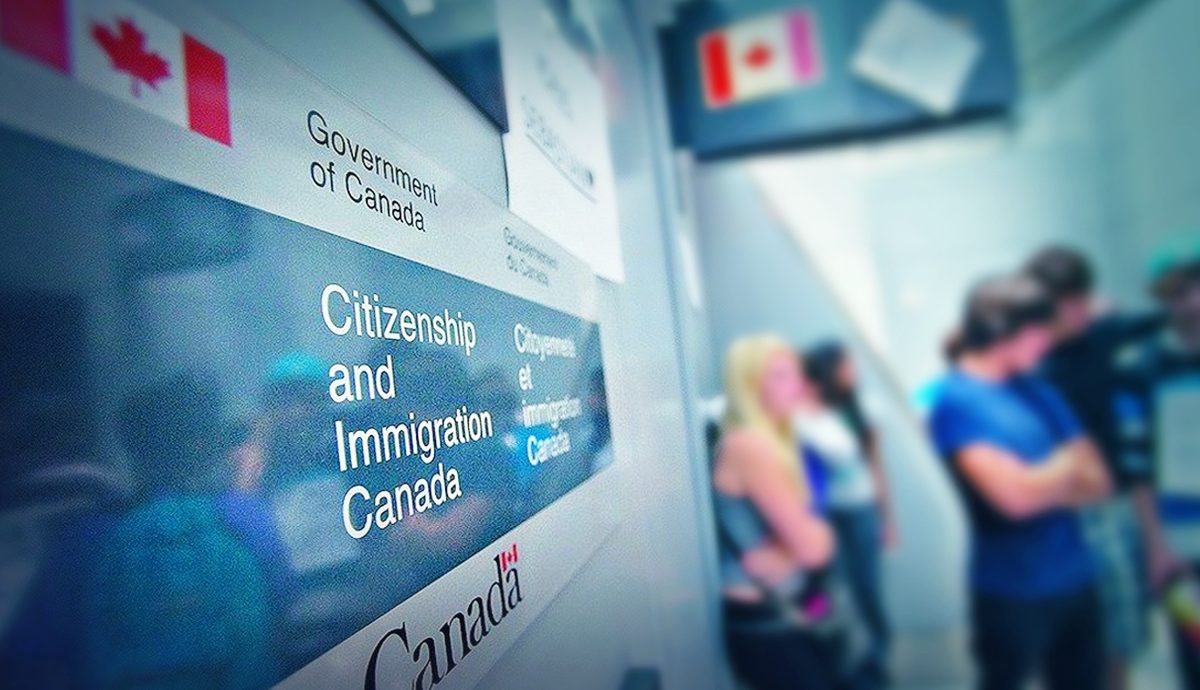
Canada's new immigration levels plan, released with the federal budget, is raising a question that buyers, renters, investors and homeowners all want answered: what does it mean for Canadian real estate and mortgage rates? Headlines say Canada is "increasing" immigration, but the details are more nuanced, and so is the housing impact.
This guide explains what is actually in the plan, how immigration connects to home prices, rents and the Bank of Canada, what it could mean for the GTA, Vaughan, Brampton and Niagara, and what newcomers, first-time buyers, investors and renewing homeowners can do now.
Want your own numbers while you read? Use our free affordability calculator or see IndiBrick's current mortgage rates.
Quick Answer: Will Higher Immigration Levels Raise Canadian Home Prices or Mortgage Rates?
Not directly, and probably not quickly. Permanent resident targets stay at 380,000 a year, and temporary resident targets are 370,000 a year. The increase comes from moving about 200,000 longstanding temporary residents to permanent status in 2027, most of whom already live in Canada. Mortgage rates are set by bond yields and the Bank of Canada, not by immigration policy. Immigration can influence housing demand, rents and inflation over time, which the Bank of Canada watches, but a federal study found its effect on prices is measurable but modest compared with interest rates and supply.
What Is in Canada's New Immigration Levels Plan?
According to coverage of the budget by CBC and Canadian Press, the plan keeps annual intake targets steady while adding a one-time transition of temporary residents. Here are the key numbers:
| Measure | What was reported |
|---|---|
| Permanent residents | 380,000 per year for the next three years (about 0.9% of Canada's population) |
| Temporary residents | 370,000 per year for the next three years |
| Temporary-to-permanent transition | About 200,000 longstanding temporary residents moving to permanent status in 2027 |
| Extra initiative | A separate two-year initiative adding almost 80,000 permanent residents in 2027 |
| Total permanent residency in 2027 | About 657,250 people, including one-time streams |
| Population growth (July 2025 to July 2026) | About 0.5%, the slowest in decades, per Statistics Canada |
| International students | Down about 71% since 2024, per the reporting |
Prime Minister Mark Carney described the levels as "in line with sustainable immigration" and said the government has "taken back control of immigration." Conservative Leader Pierre Poilievre argued admissions should match what Canada can absorb in jobs, health care and housing. Because immigration is a political topic, this article sticks to the numbers and what they mean for borrowers.
Is This Really an Increase in Immigration?
It depends on how you count. The annual permanent resident target is unchanged at 380,000. What changes is that roughly 200,000 people who are already living and working in Canada on temporary status can become permanent residents. Carney has described many of them as people who have effectively been permanent for years.
For housing, that distinction matters. Someone moving from a work permit to permanent residency does not suddenly appear in the rental market. They are already renting or already own. The change is about stability: permanent residents may be more likely to plan long term, save for a down payment and qualify for a mortgage on better terms.
Newcomer or New PR? Know Your Mortgage Options Early
Our advisors explain down payment rules, documents and lender options in plain language.
Talk to an Advisor Check AffordabilityHow Does Immigration Affect Canadian Home Prices and Rents?
A study by Immigration, Refugees and Citizenship Canada looked at 2006 to 2021 data. It found that new immigrants accounted for roughly 11 percent of the increase in average home prices and rents across municipalities over 1,000 residents. In large urban centres, the share was higher: about 21 percent of median home value increases and 13 percent of median rent increases.
The same study found the price link was statistically meaningful only in Ontario and British Columbia, and it concluded the effect is measurable but modest, with supply constraints, interest rates and speculation playing larger roles. The study did not cover the post-pandemic surge, so it is a guide, not a forecast.
What Happened When Population Growth Slowed?
The recent past is a real-world test. BMO Capital Markets senior economist Robert Kavcic said in March 2026 that Canada saw a year-over-year population decline for the first time since the Second World War, after federal caps slowed non-permanent resident inflows. He described it as a demand shock for rental housing: rents started to come down soon after, and investor activity largely dried up because rental income did not cover high borrowing costs. He expected housing to move sideways through 2026.
The lesson for borrowers: when population growth slows sharply, rental demand and investor appetite can weaken quickly. When growth stabilizes or rises again, that pressure can ease. Because the new plan holds steady permanent targets and mostly changes the status of people already here, many analysts would not expect a sudden swing, though nobody can predict it with certainty.
Does Immigration Policy Change Mortgage Rates in Canada?
Not directly. Here is what sets your rate:
- Fixed mortgage rates follow Government of Canada bond yields, especially the 5-year yield.
- Variable and adjustable rates follow lender prime rates, which move with the Bank of Canada's overnight rate. The Bank raised it to 2.5 percent on October 28, 2026, and its next decision is December 9.
- Lender competition and risk pricing affect the spread you actually get.
Immigration can matter indirectly. The Bank of Canada has said an aging population and weaker immigration are shrinking the workforce and reshaping the economy. More people can mean more spending, more labour supply and more housing demand, all of which feed into growth and inflation, the two things the Bank weighs when setting rates.
| Channel | How immigration could influence it | Direct effect on your rate? |
|---|---|---|
| Housing demand | More households means more buyers and renters | No |
| Rents | Higher demand can lift rents; lower demand eases them | No |
| Inflation | Shelter costs are a large part of CPI | Indirect, via Bank of Canada |
| Economic growth | A larger workforce supports GDP and consumption | Indirect, via bond yields and the Bank |
| Bond yields | Growth and inflation expectations move yields | Indirect, via fixed rates |
Want to Know How Rates Affect Your Payment?
Run your numbers or speak to an advisor about fixed vs variable.
See Today's Rates Contact UsWhat Could This Mean for the GTA, Vaughan, Brampton and Niagara?
Ontario has the largest share of newcomers in Canada, and the GTA has long been the main landing spot. Reporting on the recent slowdown said Ontario and British Columbia saw the biggest drops in non-permanent residents because their shares were well above the federal target. That means the same regions could feel the most change if levels rise again.
- Vaughan and the northern GTA: Strong family and move-up demand. Permanent status can help newcomers qualify for larger mortgages.
- Brampton: A large and growing newcomer community, with strong demand for townhomes, semis and rental properties with secondary suites.
- Niagara: More affordable entry points and growing interest from buyers priced out of the GTA.
- Rental investors: Rent trends depend on population growth, so watch rental demand data before relying on future rent increases.
No one can promise local outcomes from a national policy. Prices in each market still depend on supply, mortgage rates and local conditions.
Mortgage Guide for Newcomers and New Permanent Residents
For many people on the path to permanent residency, the most useful question is how to buy. Rules differ by lender and by status, so confirm your specifics before making an offer:
- Permanent residents can generally access mortgage programs on the same basis as citizens, subject to credit and income, though documentation requirements may differ.
- Work permit holders may qualify with some lenders, often with a larger down payment and proof of permit length and employment. Lender policies vary widely.
- Limited Canadian credit history is common for newcomers. Some lenders have newcomer programs that consider international credit, rental payment history or employment letters.
- Down payment: Plan for closing costs on top, and ask about how your down payment funds will be documented, especially if they come from outside Canada.
- Federal rules on non-Canadian buyers have restricted some purchases. Check the current rules and exemptions with a lawyer before you buy.
Buyers, Renewers and Investors: What To Do Now
First-Time Buyers
- Use the affordability calculator to find your real budget including closing costs.
- Get preapproved and hold a rate while you shop.
- Do not time your purchase around policy headlines. Plan for a payment you can handle if rates rise a little.
Homeowners Renewing
- Start comparing 120 to 150 days before renewal.
- Do not accept your lender's first offer without comparing the market.
- Look at prepayment terms and penalties as well as the rate.
Investors
- Model your rental income conservatively. Rents fell when population growth slowed, and they may not rise quickly again.
- Check that rent covers your payment, taxes and expenses at today's borrowing costs.
- Ask an advisor about financing options for rental properties and secondary suites.
Buying, Renewing or Investing?
Get a clear, no-pressure comparison of your options from IndiBrick.
Speak to an Advisor Try the CalculatorWhat to Watch Next
| What | Why it matters |
|---|---|
| Details of the 2027 temporary-to-permanent process | Shows who qualifies and how fast |
| Quarterly population estimates from Statistics Canada | Signals whether growth is stabilizing |
| Rental market data in Ontario and BC | Shows demand effects early |
| Canadian inflation data | Shapes the Bank of Canada's path |
| Bank of Canada decision on December 9 | Directly affects variable and prime-based rates |
| Government of Canada 5-year bond yield | Main driver of fixed mortgage rates |
Frequently Asked Questions
What is in Canada's new immigration levels plan?
Reporting on the federal budget says permanent resident targets stay at 380,000 a year and temporary resident targets are 370,000 a year for the next three years. About 200,000 longstanding temporary residents are expected to move to permanent status in 2027, and a separate initiative adds almost 80,000 more permanent residents that year.
Is Canada actually increasing immigration?
The annual permanent resident target is unchanged, but one-time transition streams lift total permanent residency in 2027 to about 657,000. Most of those people already live in Canada, so it is more a change of status than a surge of new arrivals.
Will higher immigration raise Canadian mortgage rates?
Not directly. Mortgage rates follow bond yields and the Bank of Canada's policy rate. Immigration can influence growth, housing demand and inflation over time, which the Bank considers, but there is no automatic link.
Will more immigration push up home prices?
It can add to demand, but a federal study found immigration's effect on prices is measurable but modest, and that supply, interest rates and speculation matter more. The effect was strongest in Ontario and British Columbia.
What happened to rents when population growth slowed?
A BMO economist said in March 2026 that rents started to come down after federal caps reduced non-permanent resident inflows, and that investor demand weakened. Results vary by city.
What is the Bank of Canada's rate right now?
The Bank of Canada raised its overnight rate to 2.5 percent on October 28, 2026. The next scheduled decision is December 9, 2026.
Can a permanent resident get a mortgage in Canada?
Generally yes, on terms similar to citizens, subject to credit, income and documentation. Lender requirements differ, so a mortgage agent can match you to the right lender.
Can someone on a work permit get a mortgage?
Some lenders will lend to work permit holders, often with a larger down payment and proof of permit length and stable employment. Policies vary, so check before making an offer.
How do I build a mortgage profile as a newcomer?
Build Canadian credit with a credit card and on-time payments, keep stable employment records, document your down payment and ask about lenders with newcomer programs.
Is now a good time to buy a home in Canada?
It depends on your finances and timeline, not on any single policy headline. Use a calculator to confirm a payment you can afford, get preapproved and compare fixed and variable options.
Should I lock in a fixed rate or choose variable?
Fixed rates offer payment certainty. Variable rates may suit borrowers comfortable with changes tied to the Bank of Canada. An advisor can model both for your situation.
How can IndiBrick help newcomers and homebuyers?
IndiBrick is a tech-first mortgage brokerage serving Vaughan, the GTA, Brampton and Niagara. We compare lenders, explain newcomer and work permit options and help you choose the right mortgage, in English or Punjabi.
Make Your Next Move With Real Numbers
Buying, renewing or refinancing, get clear advice and today's best options from one coordinated team.
Speak to an Advisor Try the Calculator View Today's RatesSources: CBC News and Canadian Press coverage of Budget 2026 immigration levels (November 2026); CP24 (October and November 2026); Statistics Canada population estimates as reported; Immigration, Refugees and Citizenship Canada study on immigration, home prices and rents, as reported by Daily Hive; BMO Capital Markets commentary on BNN Bloomberg (March 2026); Bank of Canada announcement of October 28, 2026. Forecasts and analyst views are not guarantees. This article is politically neutral and general information only, not financial, tax, immigration or legal advice. Mortgage rules and lender policies vary and are subject to change and qualification.
Mortgage Payment Scenarios
Model your monthly payments at different rates.
1. Purchase Details
2. Mortgage Details
3. Property & Closing
Your Monthly Payment
$3,251
Monthly Breakdown (Est)
Stress Test Qualification
To qualify for this mortgage at the 6.29% stress test benchmark, you will need an approximate household income of $140,358 / year.
About the author
IndiBrick Editorial
IndiBrick Editorial Team
Written and fact-checked by the IndiBrick editorial team. Mortgages are brokered through Pineapple Financial Inc. (FSRA #12830).
Related analysis

Mortgage
Reverse Mortgage Canada 2026: How to Borrow Up to 55% of Your Home’s Value at 55+

Mortgage
Markets Rebound After U.S. Midterms: What It Means for Canadian Mortgage Rates
Mortgage
Bank of Canada Raises Interest Rate to 2.5% Today (October 28, 2026): What It Means for Your Mortgage and Where to Find the Lowest Rates
Ready to act?
Turn this insight into a funded deal.
Book Call