Reverse Mortgage Canada 2026: How to Borrow Up to 55% of Your Home’s Value at 55+
IndiBrick Editorial
IndiBrick Financial
By Mudit Chhura | Co-Founder, IndiBrick | Updated November 10, 2026 | Read Time: 11 Mins
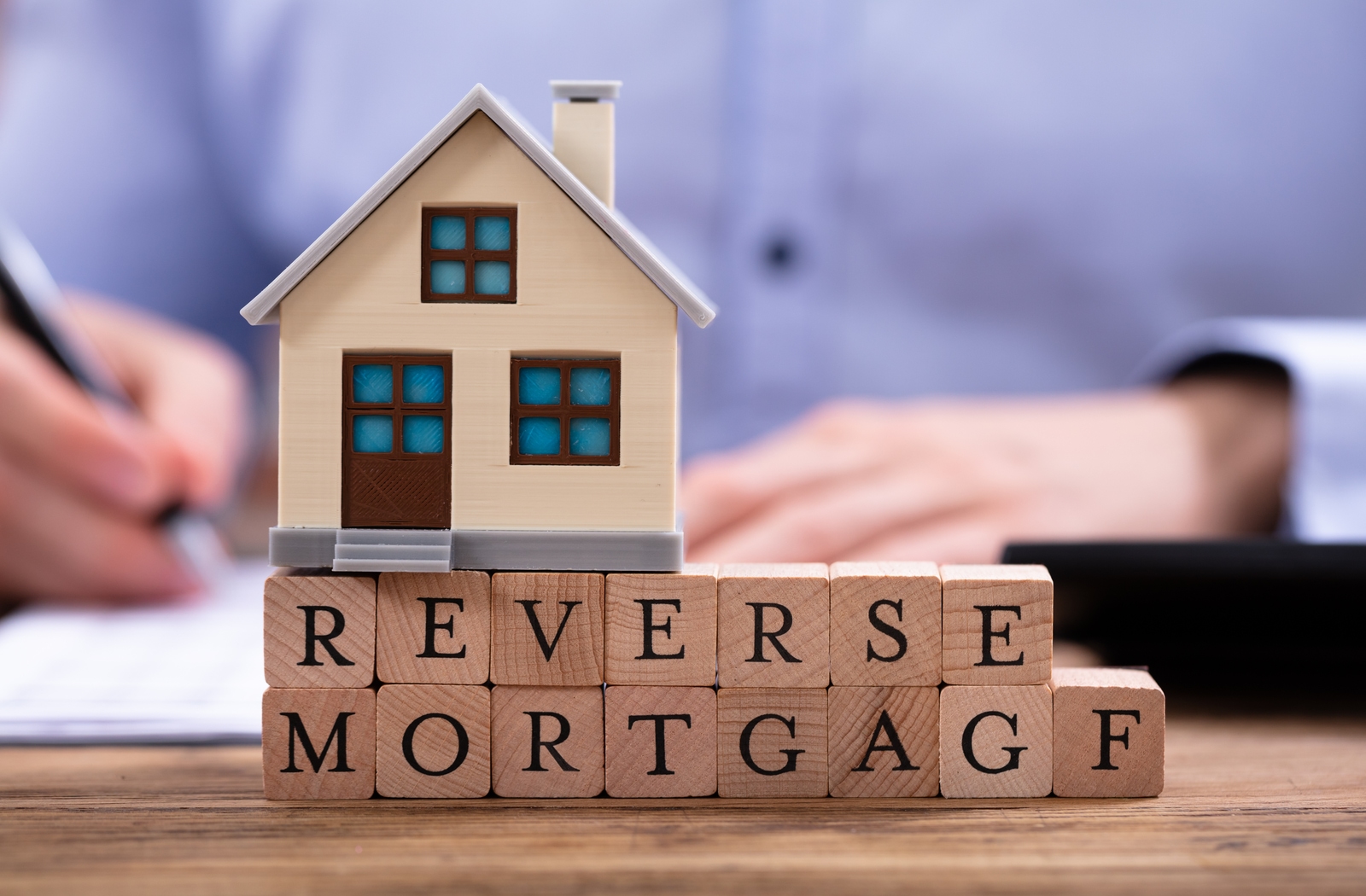
If you are 55 or older, own your home and want more cash flow in retirement without selling, there is a lender product built for you: the reverse mortgage, also called a home equity release loan. It lets eligible Canadian homeowners borrow up to 55 percent of their home's value, usually without the income and credit qualification of a traditional mortgage and without regular monthly payments.
It can also be expensive and it reduces the equity you leave behind, so it is not right for everyone. This complete Canadian guide explains how a reverse mortgage works, who qualifies, how much you can borrow, what it costs, the risks, and how it compares with a HELOC, downsizing or a regular mortgage, with notes for homeowners in Vaughan, the GTA, Brampton and Niagara.
Curious what your home could unlock? Speak to an IndiBrick advisor for a no-pressure conversation or run your numbers with our free calculator.
Quick Answer: What Is a Reverse Mortgage in Canada?
A reverse mortgage is a loan for homeowners aged 55 or older that lets you borrow against your home equity while you keep living in and owning your home. You can usually borrow up to 55 percent of your home's value, depending on your age, the property and the lender. No regular mortgage payments are required, and the money is tax-free. The loan, plus interest that builds up over time, is repaid when you sell, move out or pass away. Interest rates are typically higher than a conventional mortgage, and fees and legal advice apply.
How Does a Reverse Mortgage Work in Canada?
With a regular mortgage, you borrow and then make monthly payments that reduce what you owe. A reverse mortgage works the opposite way. You receive money from your home equity, you are not required to make regular payments, and interest is added to the balance, so the amount you owe grows over time.
- You keep ownership. The home stays in your name and you keep living in it. It generally must be your primary residence, meaning you live there at least six months of the year.
- You choose how to receive funds. Options typically include a lump sum, a partial lump sum with later withdrawals, or regular payments such as monthly or quarterly advances.
- Repayment comes later. The loan generally becomes due when you sell, move out permanently, or the last borrower passes away. You can usually repay earlier, though prepayment charges may apply.
- You still pay home costs. You must keep up property taxes and home insurance and maintain the property in good condition.
According to the Financial Consumer Agency of Canada, reverse mortgage funds are generally tax-free and do not affect Old Age Security (OAS) or Guaranteed Income Supplement (GIS) benefits.
Want to See What a Reverse Mortgage Could Look Like for You?
Our advisors explain the pros, cons and real numbers before you decide anything.
Book a Free Consultation Try the CalculatorHow Much Can You Borrow With a Reverse Mortgage?
Lenders generally allow you to borrow up to 55 percent of your home's appraised value, but that is a ceiling, not a guarantee. The amount you can actually access depends on:
- Your age, and the age of everyone on title. Older borrowers can generally access a higher percentage.
- The home's value, type and condition. Detached homes, semis, townhomes and some condos are commonly eligible, subject to lender criteria.
- Location. Lenders may lend more in major urban markets and less in smaller or remote ones.
- Existing debts on the home. A current mortgage or HELOC usually must be paid off, often using the reverse mortgage funds.
Illustrative example only: On a home appraised at $1,000,000, a 55 percent maximum would be $550,000. A borrower at the lower end of the age range might qualify for a much smaller percentage, such as 40 percent, or $400,000. If $100,000 is still owed on an existing mortgage, that amount would be repaid first from the proceeds. Your actual numbers depend on your lender and appraisal.
| Illustration (home value $1,000,000) | Example amount |
|---|---|
| Maximum at 55% of value | $550,000 |
| Example at 40% of value | $400,000 |
| Less: existing mortgage payout | -$100,000 |
| Less: fees and legal (estimate varies) | Varies by lender |
| Net available to you | Depends on your file |
Who Qualifies for a Reverse Mortgage in Canada?
Eligibility is mostly about your age and your home, rather than your paycheque:
- Age: Every borrower on title is generally required to be 55 or older.
- Ownership: You own the home and it is your primary residence.
- Property: It meets the lender's criteria for type, condition and location.
- Income and credit: Unlike a traditional mortgage, reverse mortgage lenders generally do not rely on income or the standard credit and stress-test approach. They still review the property, your title and existing debts, and you must be able to keep paying property taxes and insurance.
- Independent legal advice: Most lenders require you to meet with a lawyer to understand the product and your obligations.
Because there are no required monthly payments, many retirees with strong home equity but limited income, or past credit challenges, find reverse mortgages accessible when a traditional mortgage or HELOC would not be.
What Are Reverse Mortgages Used For?
- Covering daily living costs and supplementing retirement income
- Home renovations, repairs and accessibility upgrades
- Paying off an existing mortgage, HELOC or high-interest debt
- Helping adult children or grandchildren with education or a down payment
- Medical, in-home care or other unexpected costs
- Staying in the home you love rather than selling and moving
A planner interviewed by Canadian Press said it can suit people who are house rich and cash poor and who do not prioritize leaving a large estate, while cautioning it is not for everyone and advising people to talk to a financial planner first.
What Does a Reverse Mortgage Cost?
The main costs to understand are interest and fees:
- Interest rates are typically higher than a conventional mortgage or HELOC, often by around two to three percentage points according to recent Canadian Press reporting, because no regular payments are required. Both fixed and variable options may exist.
- Compounding interest. Because interest is added to your balance, the amount owed grows over time and can reduce the equity left for your estate.
- Fees. These can include an appraisal fee, a set-up fee (one lender's website lists $995 deducted from the first advance), independent legal advice, closing costs and possible prepayment charges.
- Ongoing responsibilities. Property taxes, home insurance and maintenance remain yours.
Want to compare this with a regular mortgage or refinance? See IndiBrick's current mortgage rates and ask an advisor to model both.
Reverse Mortgage vs HELOC vs Downsizing vs Regular Mortgage
| Option | Monthly payments | Qualification | Typical cost | Best for |
|---|---|---|---|---|
| Reverse mortgage | None required | Based on age, home and equity | Higher rates, fees | 55+ homeowners wanting cash flow without payments |
| HELOC | Interest-only minimum | Income and credit based | Lower rates, variable | Those with income who can handle payments |
| Refinance / regular mortgage | Required | Income, credit, stress test | Lowest rates | Borrowers with strong income and credit |
| Downsizing | None | N/A | Selling and moving costs | Those open to moving and unlocking all equity |
| Home equity loan (private/alternative) | Often required | Flexible | Higher rates and fees | Short-term needs with a clear exit plan |
There is no single best answer. A reverse mortgage can make sense when you want to stay in your home, do not want monthly payments and have limited qualifying income. A HELOC or downsizing can be cheaper if you can qualify or are willing to move.
Risks and Downsides You Should Know
- Less equity for your estate. Years of compounding interest can leave little or no equity.
- Higher cost. Rates and fees are higher than many other borrowing options.
- Limited flexibility. Early repayment can involve penalties, and it can be hard to exit the product easily.
- Default risk. Failing to pay property taxes or insurance, letting the home fall into disrepair or breaching terms can lead to default.
- Impact on future borrowing. It can prevent you from taking out another loan against the same home.
- Family conversations matter. Heirs may need to repay the loan or sell the home when the loan comes due, so involve your family early.
On the protective side, many Canadian lenders offer a no-negative-equity guarantee, meaning that as long as you meet your obligations, you will not owe more than the home's fair market value when the loan comes due. Always confirm this with your specific lender and lawyer.
Not Sure It's Right for You? That's a Good Instinct.
We will walk you through reverse mortgages, HELOCs and other options so you can choose with confidence.
Talk to an Advisor Compare Mortgage RatesReverse Mortgages in Ontario: Vaughan, the GTA, Brampton and Niagara
Many homeowners in Vaughan, Brampton and across the GTA have built significant equity over the years, which is why reverse mortgages come up often with retirees and families supporting parents. Ontario homeowners should also know:
- Independent legal advice is a standard part of the process, and lawyer fees are an added cost.
- Higher home values in the GTA may allow larger loan amounts, but the percentage you qualify for still depends on age and the lender.
- Multi-generational households are common. If other family members live in the home or are on title, lenders will consider everyone's age and situation.
- In Niagara and smaller markets, available amounts and lender appetite may differ, so it is worth comparing options.
How to Apply for a Reverse Mortgage: Step by Step
- Step 1: Check your goals. Decide how much cash you need and why.
- Step 2: Talk to an advisor and your family. Review pros, cons and alternatives before moving forward.
- Step 3: Get an estimate. Your advisor can estimate how much you may qualify for based on age, home and location.
- Step 4: Appraisal. The lender orders an appraisal of your home.
- Step 5: Independent legal advice. Meet with a lawyer who explains the terms and your obligations.
- Step 6: Funding. Existing mortgages or HELOCs are paid out, and you receive your chosen payment option.
Common Reverse Mortgage Myths
| Myth | What to know |
|---|---|
| "The bank takes my house." | You keep ownership and title. A lender can act only if you break the loan terms. |
| "I will owe more than my house is worth." | Many lenders provide a no-negative-equity protection when you meet your obligations. Confirm with your lender. |
| "It is taxable income." | Funds are generally received tax-free. |
| "It affects my OAS or GIS." | Federal guidance says it does not reduce these benefits. |
| "It is free money." | It is a loan with interest and fees that must be repaid. |
Frequently Asked Questions
What is a reverse mortgage in Canada?
A reverse mortgage is a loan for homeowners aged 55 or older that lets you borrow against your home equity without making regular monthly payments. The loan plus accrued interest is repaid when you sell, move out or pass away.
How much can I borrow with a reverse mortgage?
Generally up to 55 percent of your home's appraised value. The actual amount depends on your age, the age of everyone on title, the property, its location and the lender.
Do I need good credit or income for a reverse mortgage?
Reverse mortgages generally do not use the income and credit qualification of a traditional mortgage, since no regular payments are required. Lenders still review your property, title and existing debts, and you must keep paying property taxes and insurance.
What is the minimum age for a reverse mortgage in Canada?
Borrowers must generally be 55 or older, and every person on title typically needs to meet the age requirement.
Do I have to make monthly payments?
No regular payments are required, though you can repay earlier. Interest is added to your balance and the loan comes due when you sell, move out permanently or pass away.
Is reverse mortgage money taxable?
Funds are generally tax-free and, according to federal consumer guidance, do not affect OAS or GIS benefits. Speak to a tax professional about your situation.
What are reverse mortgage interest rates in Canada?
Rates are typically higher than conventional mortgage and HELOC rates, often by roughly two to three percentage points, and vary by lender, term and fixed or variable type. Ask for a current quote.
What fees come with a reverse mortgage?
Common costs include an appraisal, a set-up fee, independent legal advice, closing costs and potential prepayment charges. Fees vary by lender.
Will I still own my home?
Yes. You keep title and can continue living in the home, as long as you meet your obligations such as paying property taxes, maintaining insurance and keeping the home in good repair.
What happens to a reverse mortgage when I die?
The loan generally becomes due. Your estate or heirs can repay it, often by selling the home or using other funds, within the lender's timeline. Any remaining equity goes to your estate.
Can I get a reverse mortgage if I still have a mortgage?
Often yes, but the existing mortgage or HELOC typically must be paid out first, usually from the reverse mortgage proceeds, which reduces what you receive.
Is a reverse mortgage better than a HELOC?
It depends. A HELOC usually has lower rates but requires income and credit qualification and regular payments. A reverse mortgage requires no regular payments but costs more over time.
Can I get a reverse mortgage on a condo or townhouse?
Many lenders accept detached homes, semis, townhomes and some condos, subject to their criteria and location. Check with an advisor.
How can IndiBrick help?
IndiBrick is a tech-first mortgage brokerage serving Vaughan, the GTA, Brampton and Niagara. We explain reverse mortgages, HELOCs and other options in plain language, in English or Punjabi, so you can compare before you decide.
Make Your Next Move With Real Numbers
Buying, renewing or refinancing, get clear advice and today's best options from one coordinated team.
Speak to an Advisor Try the Calculator View Today's RatesSources: Financial Consumer Agency of Canada, Reverse mortgages; Canadian Press, "House rich, cash poor: when a reverse mortgage might make sense" (July 2026); lender product information from Canadian reverse mortgage providers. Examples are illustrative only. Loan amounts, rates, fees and eligibility depend on the lender, property, location and borrower age, and are subject to qualification and approval. A reverse mortgage reduces the equity in your home over time. Independent legal advice is recommended and often required. This article is general information and not financial, tax or legal advice.
Mortgage Payment Scenarios
Model your monthly payments at different rates.
1. Purchase Details
2. Mortgage Details
3. Property & Closing
Your Monthly Payment
$3,251
Monthly Breakdown (Est)
Stress Test Qualification
To qualify for this mortgage at the 6.29% stress test benchmark, you will need an approximate household income of $140,358 / year.
About the author
IndiBrick Editorial
IndiBrick Editorial Team
Written and fact-checked by the IndiBrick editorial team. Mortgages are brokered through Pineapple Financial Inc. (FSRA #12830).
Related analysis
Mortgage
Canada’s New Immigration Levels Plan for 2027: What It Means for Real Estate and Mortgage Rates in 2026

Mortgage
Markets Rebound After U.S. Midterms: What It Means for Canadian Mortgage Rates
Mortgage
Bank of Canada Raises Interest Rate to 2.5% Today (October 28, 2026): What It Means for Your Mortgage and Where to Find the Lowest Rates
Ready to act?
Turn this insight into a funded deal.
Book Call