Leaky Loonie Alert: Could a Weak Canadian Dollar Push Mortgage Rates Higher? Bank of Canada Rate Predictions and Lowest Rates Today (2026)
IndiBrick Editorial
IndiBrick Financial
By Mudit Chhura | Co-Founder, IndiBrick | Read Time: 9 Mins
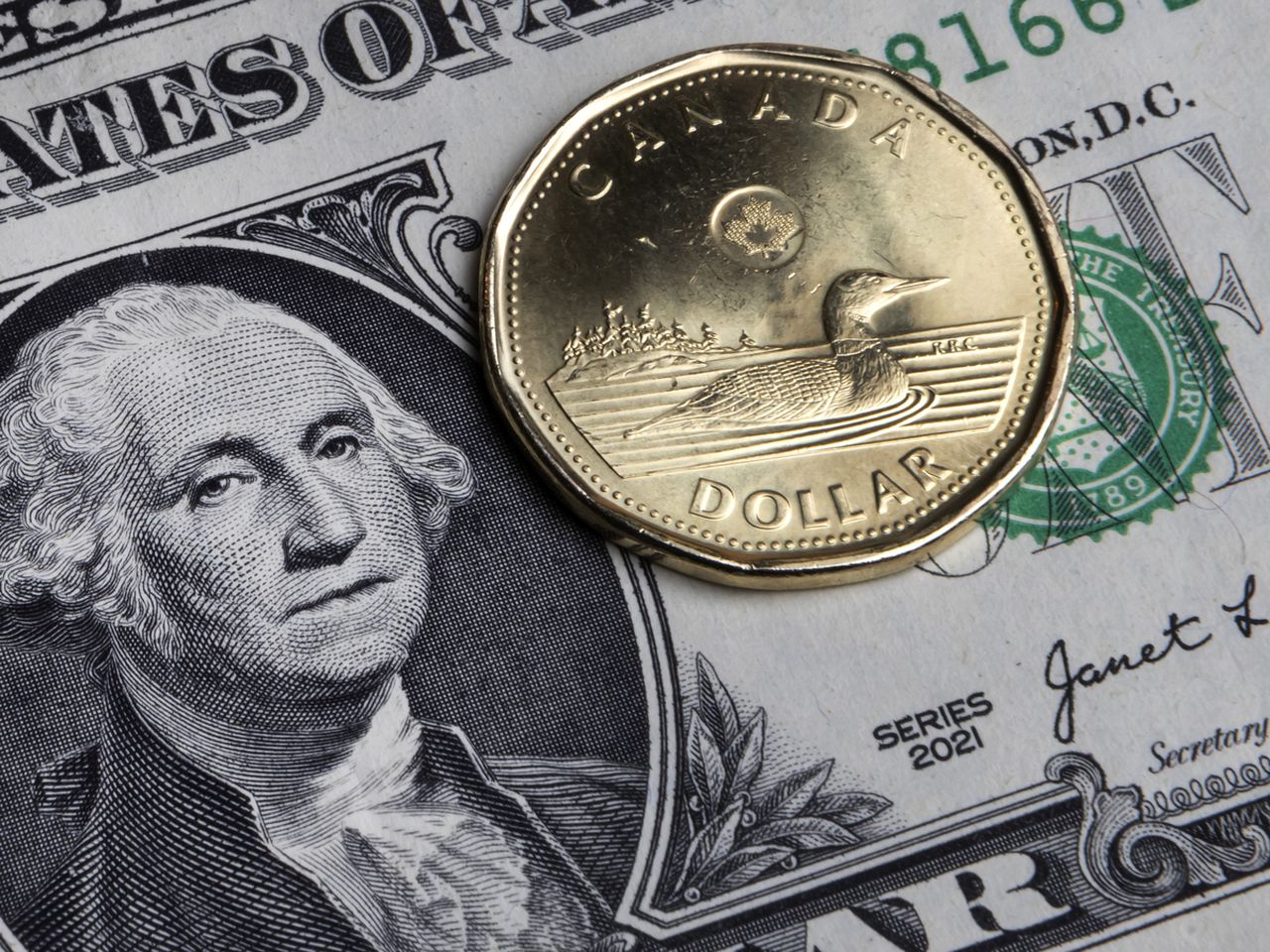
If you are searching for the lowest mortgage rates in Canada or trying to work out where mortgage rates are headed next, there is a new factor to watch: the Canadian dollar. The loonie has slowly lost value against the US dollar, and economists say that could influence the Bank of Canada's next interest rate decision on October 28, 2026.
This guide explains what a weaker Canadian dollar means for the Bank of Canada, how it connects to fixed and variable mortgage rates, what the main rate scenarios look like, and what you can do now whether you are buying, renewing or refinancing.
Want your own numbers while you read? Use our free affordability calculator or see today's lowest mortgage rates.
Quick Answer: Could a Weak Canadian Dollar Push Mortgage Rates Higher?
Possibly, but it is not a certainty. The Canadian dollar has lost about 5 percent since early last summer and recently fell to about 70 US cents. A weaker loonie makes imports more expensive and adds to inflation, which can push the Bank of Canada toward tighter policy. The Bank's policy rate is 2.25 percent, the odds of a hike on October 28 are modest, and variable rates follow the Bank directly, while fixed rates follow bond yields. IndiBrick's published 5-year rates as of October 19 start at 3.29 percent variable and 4.10 percent fixed (insured), subject to change and qualification. The best approach is to compare current rates and lock in a rate hold if you are shopping soon.
Get Today's Lowest Mortgage Rates
Compare current fixed and variable options from multiple lenders and hold a rate while you decide.
View Today's RatesThe "Leaky Loonie": What Is Happening to the Canadian Dollar?
CIBC chief economist Avery Shenfeld says the Canadian dollar has "sprung a slow, but fairly steady leak" against the US dollar. The numbers show why.
| Indicator | Latest Reading |
|---|---|
| Canadian dollar decline since early last summer | About 5% |
| Recent low against the US dollar | About 70 US cents |
| Canadian dollar on October 19, 2026 | About 70.9 US cents |
| Effective exchange rate | Lowest level since the 2016 oil price shock |
| Estimated inflation effect so far (CIBC) | Could add around 0.3 percentage points |
| Consumer goods import price inflation (Capital Economics) | 8.6% |
| Bank of Canada policy rate | 2.25% |
| Next Bank of Canada decisions | October 28 and December 9, 2026 |
Much of the drop is about the strength of the US dollar, but the loonie has also fallen against the British pound, the euro and the Australian dollar, which are multi-year lows for Canada. If the US Federal Reserve raises rates this month or in December, the Canadian dollar could sink further.
Why a Weaker Canadian Dollar Matters for Bank of Canada Interest Rates
A weaker currency affects the economy in two ways at once:
- It raises the cost of imports, which feeds into inflation on everything from groceries to electronics to cars
- It supports growth by making Canadian exports cheaper and more competitive abroad
Higher inflation combined with firmer growth are the ingredients for tighter monetary policy, according to CIBC. Shenfeld calls the move "clearly nothing to panic over yet," but warns that while the Bank of Canada often lets the Fed hike without matching it, a large enough currency decline can push inflation up enough to force the Bank to act.
Thomas Ryan, senior North American economist at Capital Economics, makes a related point. With consumer goods import price inflation already at 8.6 percent, he thinks policymakers will be reluctant to sound too dovish at upcoming meetings for fear of pushing the loonie even lower.
Not Sure If You Should Lock In or Float?
Speak with an IndiBrick advisor for a clear comparison of fixed vs variable options based on your situation.
Speak to an AdvisorBank of Canada Rate Decision October 28, 2026: What to Expect
The Bank of Canada has held its policy rate at 2.25 percent for nearly a year, and the October 28 decision is being described by economists as a "live" meeting, meaning a hike is possible even if it is not the base case.
- Hike odds: markets put the chance of a quarter-point hike at the end of October at roughly 30 percent or less, after a weak jobs report
- Jobs: the economy lost 68,000 jobs in September, the second monthly decline in a row
- Inflation: the annual rate was 3.0 percent in August, and September inflation data was due out on October 19
- Energy: higher oil and gas prices linked to the Middle East conflict are a main driver of inflation, and officials have said they would look through a temporary energy price rise
- Economist view: RBC assistant chief economist Nathan Janzen does not expect hikes in 2026, with modest tightening starting in 2027
The Bank also faces a trade war that is weighing on the economy, which is why the decision is so finely balanced.
Mortgage Rate Predictions: Three Scenarios to Watch
Nobody can predict mortgage rates with certainty, but the Financial Post analysis points to three realistic paths. Here is how each could affect borrowers.
| Scenario | What Would Drive It | Likely Effect on Mortgage Rates |
|---|---|---|
| Rates on hold | Weak jobs and a contained loonie keep the Bank at 2.25% | Variable rates stable, fixed rates mostly follow bond yields |
| Rate hikes | Energy prices stay high and the Canadian dollar falls further against a strong US dollar | Variable rates rise quickly, and fixed rates are likely to rise as well |
| Rate cut | Trade tensions escalate, a 50% auto tariff takes effect January 1, and energy prices cool | Variable rates fall, and a weaker loonie helps exporters while inflation cools |
The article notes that the cut scenario is a worst case for the economy, because it would take escalating trade tensions to get there. The more aggressive hike scenario, according to Shenfeld, would require energy prices to stay high and the loonie to lose more ground.
Fixed vs Variable Mortgage Rates: How the Loonie Connects
Variable and adjustable rates
Variable rates move with the Bank of Canada's decisions through the prime rate. If a weak dollar and rising inflation push the Bank to hike, variable-rate borrowers feel it first, often within weeks.
Fixed rates
Fixed mortgage rates are tied more closely to bond yields than to the policy rate. Reporting in early October put the Government of Canada five-year bond yield at roughly 3.7 percent. Bond yields can move quickly with US yields, so fixed rates can change even when the Bank of Canada holds still.
IndiBrick's current published mortgage rates
For reference, these are the 5-year rates published on our rates page, last updated October 19, 2026. They fluctuate daily and may change without notice.
| Mortgage Type | 5-Year Fixed | 5-Year Variable |
|---|---|---|
| Insured (less than 20% down) | 4.10% | 3.29% |
| Insurable (renewals and transfers, 20%+ equity) | 4.10% to 4.15% | 3.50% |
| Uninsured (refinances or 30-year amortizations) | 4.15% | 3.60% |
Rates are subject to change and qualification. See the latest on our mortgage rates page.
Compare Fixed and Variable Side by Side
See current options, then run the payment on your own mortgage with our calculator.
View Today's Rates Try the CalculatorWhat a Weak Canadian Dollar Means for Different Borrowers
If you are renewing your mortgage in 2026 or 2027
A Bank of Canada staff note estimates that about a third of mortgage holders will face higher monthly payments by the end of 2026, and some variable-rate renewals could see payments jump by 40 percent or more. Start the renewal process early, compare lenders instead of accepting your bank's first offer, and see whether a rate hold makes sense.
If you are buying a home
Lower prices than a year ago and strong buyer programs help, but a pre-approval with a rate hold protects you if rates rise while you shop. Get your real budget first, including closing costs.
If you are self-employed, an investor or a newcomer
Income that does not fit a standard T4 is exactly where one bank's approval box can fall short. Brokers can access lenders with flexible income rules and structure financing for purchases, refinances and rental properties.
Worried About Your Renewal or Next Purchase?
Our team compares multiple lenders, holds your rate, and walks you through your options with no pressure. You can speak with an IndiBrick advisor any time.
Six Practical Steps While Rates Are Uncertain
- Check today's rates. Start with our mortgage rates page so you know where the market is.
- Know your real budget. Use the affordability calculator and include closing costs.
- Get pre-approved and hold your rate. A rate hold protects you for a set period while you shop.
- Stress test your payment. Check that you could handle a higher payment at renewal.
- Compare fixed and variable. Decide based on your budget and risk tolerance, not headlines.
- Talk to a broker early. Speak with an IndiBrick advisor before your renewal date or offer deadline.
Frequently Asked Questions About Mortgage Rates and the Canadian Dollar
Will mortgage rates go up in Canada in 2026?
It is possible but not certain. The Bank of Canada has held its rate at 2.25 percent for nearly a year, and some economists expect no hikes in 2026. A weaker Canadian dollar and high energy prices could change that, so the October 28 and December 9 decisions are important dates.
What is the Bank of Canada interest rate right now?
The Bank of Canada policy rate is 2.25 percent. Its next decisions are scheduled for October 28 and December 9, 2026.
How does a weaker Canadian dollar affect interest rates?
A weaker dollar makes imports more expensive, which raises inflation, and it makes exports cheaper, which supports growth. Both can push the Bank of Canada toward tighter policy if the decline is large enough.
How much has the Canadian dollar fallen?
The loonie has lost about 5 percent against the US dollar since early last summer, falling as low as about 70 US cents this month, and it is at multi-year lows against several other major currencies.
Are fixed mortgage rates tied to the Bank of Canada?
Not directly. Fixed mortgage rates follow Government of Canada bond yields, while variable rates follow the Bank of Canada's policy rate through prime. Fixed rates can rise even when the Bank holds its rate.
Where can I find the lowest mortgage rates in Canada?
Rates differ by lender, term, down payment and borrower profile. A broker can compare multiple lenders for you, and you can start with the current rates on our mortgage rates page.
Should I choose a fixed or variable mortgage right now?
It depends on your budget, timeline and comfort with payment changes. A fixed rate offers certainty, while a variable rate can save money if rates stay flat or fall. An advisor can compare both for your situation.
What is a mortgage rate hold?
A rate hold lets you lock in a quoted rate for a set period, often 90 to 120 days, while you shop for a home. It protects you if rates rise before you close, subject to lender terms and qualification.
What should I do if my mortgage renews soon?
Start early, compare lenders, and stress test your budget for a higher payment. You can speak with an IndiBrick advisor to review your renewal options before your date arrives.
The Bottom Line
The "leaky loonie" is not a reason to panic, but it is a reason to pay attention. A weaker Canadian dollar adds to inflation, and the Bank of Canada will be watching both the loonie and the US dollar. Whether rates hold, rise or eventually fall will depend on energy prices, trade tensions and the strength of the economy.
The best protection is to replace guesses with numbers: check today's lowest rates, find out what you can afford, and talk to an advisor before you decide.
Get Ahead of the Next Rate Move
Buying, renewing or refinancing, get clear advice and today's best options from one coordinated team.
Speak to an Advisor Try the Calculator View Today's RatesSources: Financial Post (Pamela Heaven, Posthaste, Oct 19, 2026) citing CIBC and Capital Economics; BNN Bloomberg and MPA reporting for Bank of Canada expectations, jobs data and bond yields; IndiBrick published rates as of October 19, 2026. Mortgage rate predictions are forecasts, not guarantees. Rates and program details are subject to change and qualification. This article is general information and not financial, tax or legal advice.
Mortgage Payment Scenarios
Model your monthly payments at different rates.
1. Purchase Details
2. Mortgage Details
3. Property & Closing
Your Monthly Payment
$3,251
Monthly Breakdown (Est)
Stress Test Qualification
To qualify for this mortgage at the 6.29% stress test benchmark, you will need an approximate household income of $140,358 / year.
About the author
IndiBrick Editorial
IndiBrick Editorial Team
Written and fact-checked by the IndiBrick editorial team. Mortgages are brokered through Pineapple Financial Inc. (FSRA #12830).
Related analysis

Mortgage
How Canada’s AI Data Centre Boom Could Hit Your Wallet: Ontario Electricity, Tech Prices, Home Values and Mortgage Impact (2026)
Mortgage
Did Canada Really Dodge a Housing Meltdown? What the 20% Price Drop Means for GTA Buyers, Renewals and Self-Employed Borrowers (2026)

Mortgage
Is Now the Best Time to Buy Your First Home in the GTA? A Guide for First-Time Buyers and Newcomers to Canada (2026)
Ready to act?
Turn this insight into a funded deal.
Book Call